
By Dr. Leandro Pucci, DCN, CNS, CKNS, LDN
Sleep is a metabolic intervention. A single night of four hours' sleep reduced insulin sensitivity by about a quarter in healthy adults. A week of short nights raises evening cortisol, shifts appetite hormones toward hunger, and makes the same meal produce a higher glucose response. For many of my patients, protecting sleep and lowering stress load moves fasting insulin, cravings, and abdominal weight as much as a dietary change does, and it makes every dietary change easier to sustain.
When patients tell me they are doing "everything right" with food and exercise but their numbers won't move, sleep is one of the first places I look. It is also the intervention most often treated as optional.
In a clamp study, the gold-standard method for measuring insulin sensitivity, healthy adults slept either a normal night or four hours. After the short night, both the liver and muscle became more insulin resistant, and the amount of glucose needed to maintain stable blood sugar under insulin fell by about 25% (1).
In healthy young men, one week of five-hour nights reduced insulin sensitivity by about 20% (2). In an earlier study, six nights of four hours' sleep lowered glucose tolerance, raised evening cortisol, and increased sympathetic nervous system activity, changes the researchers compared to those seen with aging (3).
A meta-analysis of prospective studies found that people who regularly slept five to six hours or less had a 28% higher risk of developing type 2 diabetes. Difficulty falling or staying asleep carried similar or higher risk (4).
After two nights of four hours' sleep, healthy men had lower leptin (the satiety hormone), higher ghrelin (the hunger hormone), more hunger, and a stronger appetite for carbohydrate-dense foods (5). This is why a short night so often leads to a day of grazing. It is physiology, not a lack of willpower.
In a laboratory study, adults ate and slept on a schedule deliberately misaligned with their internal clock, similar to shift work or severe jet lag. Glucose rose by 6% despite 22% more insulin, the daily cortisol rhythm completely reversed, and three of eight participants had post-meal glucose responses in the prediabetic range (6).
Meal timing interacts with this rhythm. In a weight loss program, people who ate their main meal later in the day lost less weight than early eaters, despite similar calorie intake and activity (7). Insulin sensitivity is generally higher earlier in the day, which is one reason a large late dinner tends to produce higher glucose than the same meal at lunch.
Cortisol raises blood glucose by design; it is part of how the body mobilizes energy under stress. When stress is chronic, cortisol stays elevated at times it should be low, particularly in the evening, which disrupts sleep and favors fat storage around the abdomen. In one study, women with more central fat showed greater cortisol responses to repeated stress than women with similar weight but less central fat (8).
This is the loop I see most often: stress shortens sleep, short sleep raises cortisol and hunger, and both push glucose and abdominal fat in the wrong direction.
The encouraging data come from adding sleep back. In a randomized trial of adults with overweight who habitually slept less than six and a half hours, a personalized sleep hygiene intervention extended sleep by about an hour a night. Over two weeks in their normal home environment, they ate roughly 270 fewer calories per day than the control group without being asked to change their diet (9).
I find similar patterns in practice. When sleep improves, cravings fall, morning glucose often settles, and adherence to everything else gets easier.
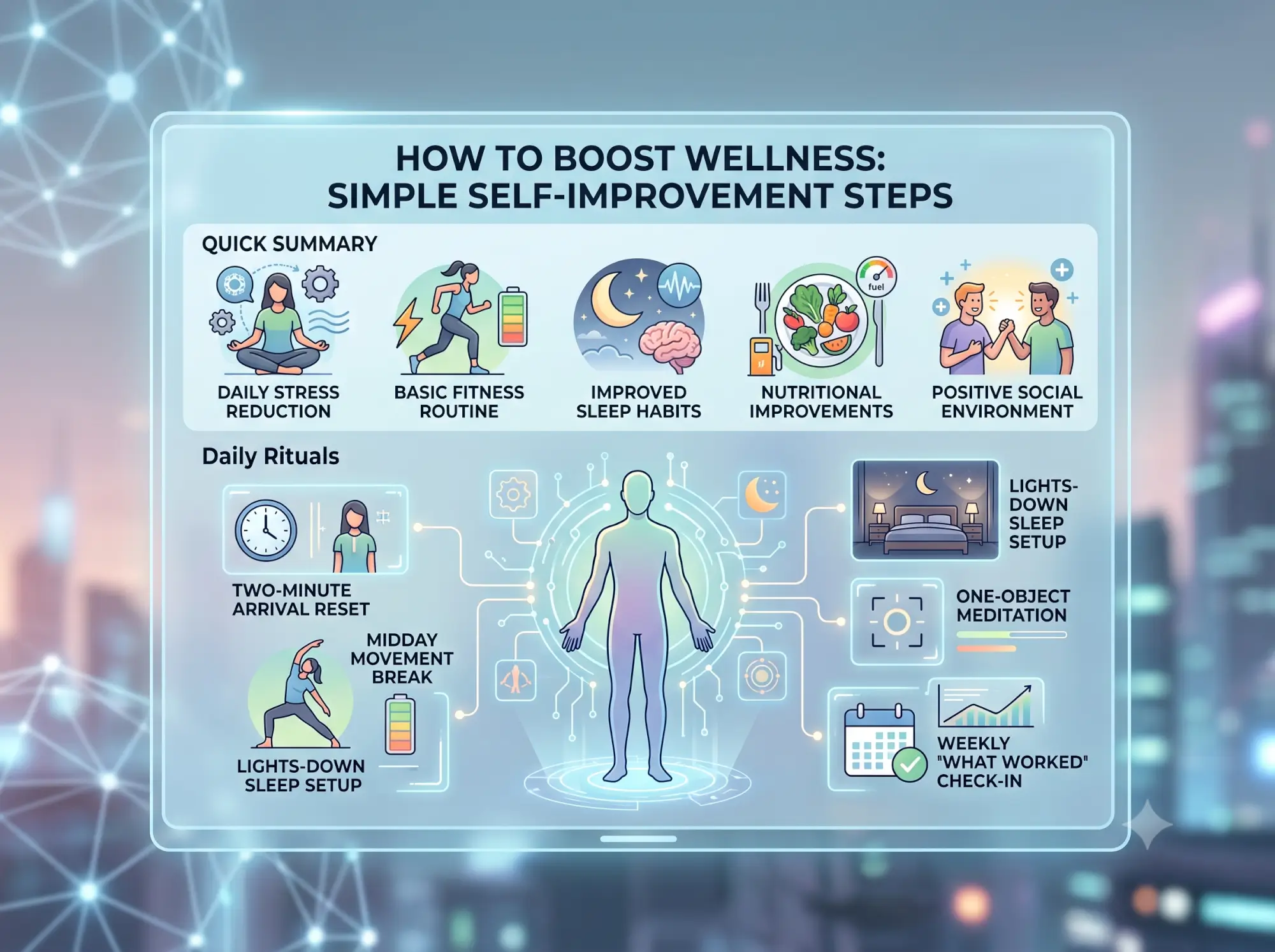
I introduce these gradually, two or three at a time, because a long list of new rules adds its own stress.
Phase 1: Protect the window.
Phase 2: Align eating with the clock.
Phase 3: Lower the stress load.
Phase 4: Measure the effect. Fasting glucose and insulin, morning energy, cravings, and, for some patients, a short CGM trial before and after sleep changes make the impact visible.
If you spend enough time in bed but still wake unrefreshed, snore loudly, wake gasping, or have high blood pressure or abdominal obesity, ask your physician about obstructive sleep apnea. It is common, underdiagnosed, worsens insulin resistance, and lowers testosterone in men. Night sweats in perimenopause, chronic pain, reflux, and nighttime urination are other frequent causes of fragmented sleep that deserve their own evaluation.
Can lack of sleep cause high blood sugar?
Yes. A single short night reduces insulin sensitivity, and repeated short nights lower glucose tolerance and raise evening cortisol. Over years, short sleep is associated with a higher risk of type 2 diabetes.
Why is my blood sugar high in the morning?
Cortisol and other hormones rise before waking to prepare the body for the day, which raises glucose (the dawn phenomenon). Short or disrupted sleep, a late heavy dinner, and insulin resistance make it more pronounced.
Does cortisol cause belly fat?
Chronically elevated cortisol favors fat storage around the abdomen and raises glucose. Stress also disrupts sleep and increases appetite, which compounds the effect.
How much sleep do I need for healthy blood sugar?
Most adults do best with seven to nine hours. Regularity matters as well: consistent sleep and wake times support stable glucose regulation.
Is it bad to eat late at night?
Insulin sensitivity is generally lower in the evening, so the same meal tends to raise glucose more at night. Eating the larger meals earlier and leaving a few hours before bed helps many people.
Doing everything right and still stuck? Sleep and stress are often the missing pieces. I help patients connect these to their metabolic labs and build a plan that fits real life. Book a discovery call or learn more about personalized functional nutrition.
This article is for educational purposes and is not medical advice.
References