
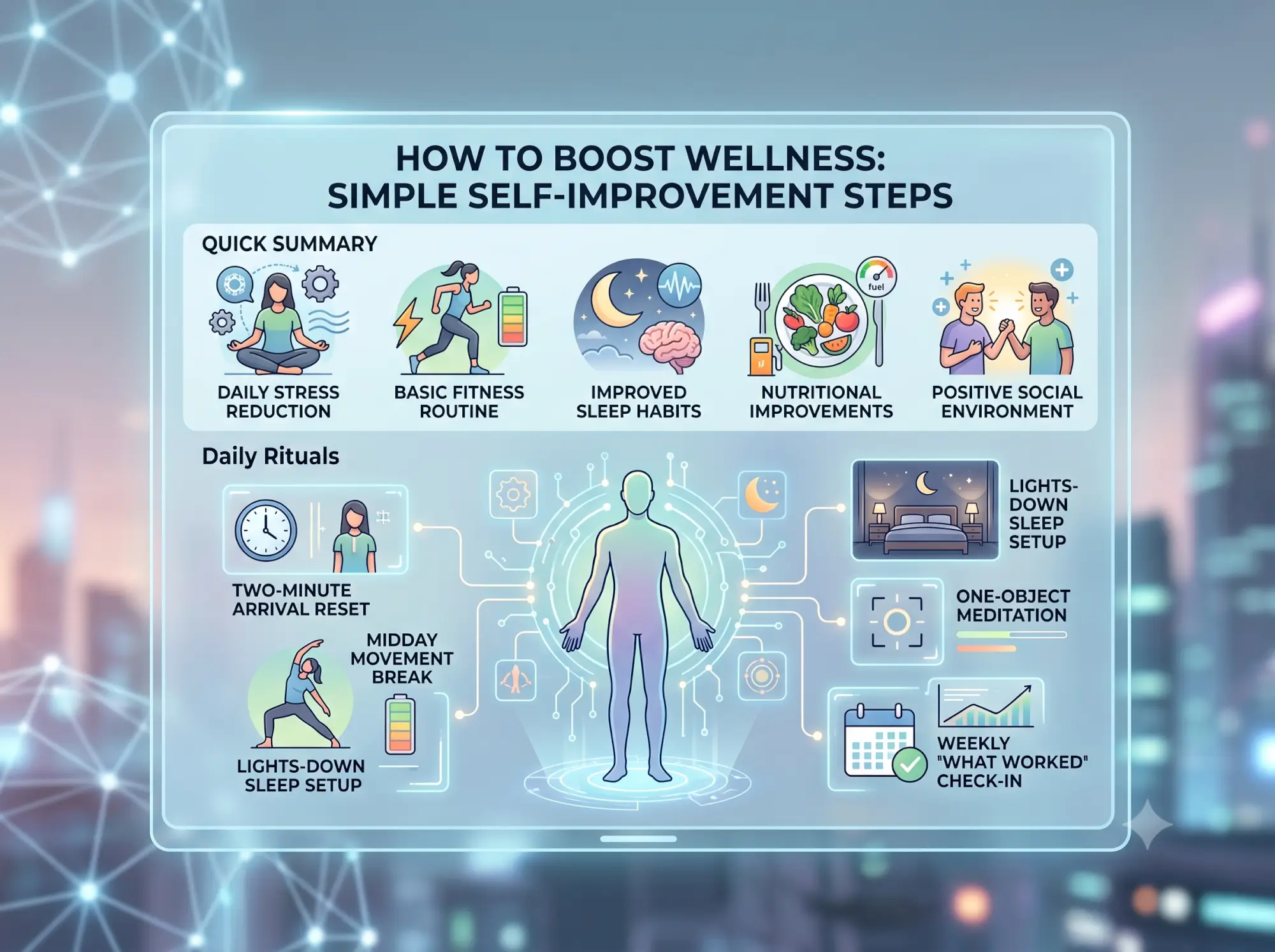
For busy parents juggling work and wellness, the biggest frustration is often feeling stuck between good intentions and inconsistent follow-through. Common wellness challenges show up as a tangled mix of mental health strain, uneven physical fitness, and personal development goals that keep getting postponed. Optimal wellness becomes realistic when these areas are treated as connected, not separate problems competing for attention. With steady, simple self-improvement strategies, momentum can return, and daily life can feel more manageable.
Those quick wins stick longer when you can see them building into a clear pattern over time. Keep your wellness plans, progress trackers, and personal goals in one place so you don’t have to rebuild the same notes across apps or lose what’s working. Saving these documents as PDFs helps because the layout stays consistent, they’re easy to store and share, and you can quickly pull up the latest version when motivation dips. If you need to maintain your files, here’s a good option that lets you convert, compress, edit, rotate, and reorder PDFs. Next, you’ll put that organized plan into motion with daily habits that lower stress and improve sleep.
Put your plan into practice with these small routines.
Wellness improves fastest when your actions are simple enough to repeat on busy days. These habits turn self-improvement into a steady rhythm, helping you manage stress, sleep more soundly, and stay consistent without needing “perfect” motivation.
Two-Minute Arrival Reset
Midday Movement Break
Lights-Down Sleep Setup
One-Object Meditation
Weekly “What Worked” Check-In
Pick one habit today, then adjust it so your whole family can stick with it.
Quick answers for when real life interrupts your best intentions.
Q: What’s the easiest wellness routine to start when I feel overwhelmed?
A: Choose one action that takes under three minutes and do it at the same cue each day, like after brushing your teeth. Small wins calm the nervous system and build trust in yourself. Once it feels automatic, you can add time or a second habit.
Q: How do I keep going when I miss a day or fall off track?
A: Treat missed days as data, not failure: ask what got in the way, then shrink the habit by 50 percent for the next week. Restart with the smallest version you can do even when tired. Consistency comes from restarting quickly, not being flawless.
Q: When is the best time to fit wellness into a packed schedule?
A: Attach it to something you already do, like a short stretch while coffee brews or slow breathing before opening your laptop. If your days vary, set a “minimum dose” you can do anytime. Protect that minimum first.
Q: Can I improve wellness without changing my whole lifestyle?
A: Yes. Focus on one lever at a time, like sleep timing, daily movement, or stress recovery. A single reliable habit can improve energy and mood enough to make later changes easier.
Q: Why do simple habits work better than big plans?
A: Simple actions reduce decision fatigue, so you’re more likely to repeat them under stress. Repetition trains your brain to expect the routine, which makes it feel easier over time. That’s how sustainable habits form.
Keep it small, keep it repeatable, and let progress prove itself.
When life gets busy or messy, wellness motivation can fade and maintaining lifestyle changes starts to feel like a constant restart. The steadier path is the mindset of small, sustainable shifts, choosing practical next steps that fit real schedules, then using positive habit reinforcement to keep them going. Over time, that approach reduces decision fatigue and makes healthy choices feel more automatic, which is what supports long-term health goals. Pick one habit, repeat it reliably, and let consistency do the heavy lifting. Choose one change to start today, decide how you’ll reinforce it this week, and keep the bar realistic. That’s how progress becomes stability that protects energy, health, and resilience over the long run.