
Smart Batch Cooking for Weeks That Never Slow Down
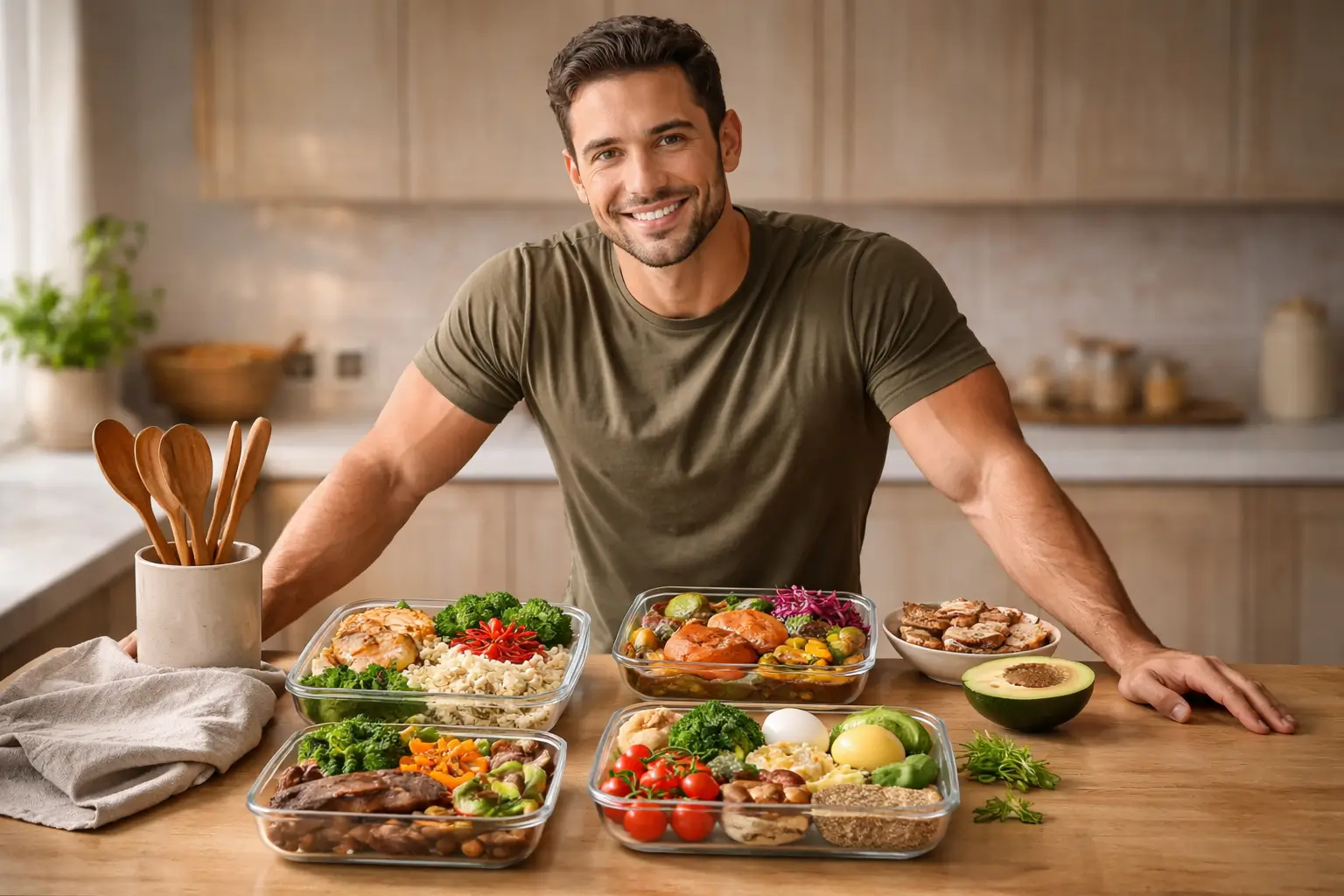
Meal prepping is a practical response to crowded calendars and decision fatigue, not a rigid lifestyle shift. At its best, it replaces daily stress with a short burst of planning and a fridge that works for you. The goal is efficiency without sacrificing balance—meals that are satisfying, varied, and realistic for busy weeks.
Core Insights
Starting With a Strategy, Not a Recipe
The biggest mistake people make is starting with dishes instead of structure. Begin by deciding how many meals you actually need and which ones matter most—often lunches and dinners on workdays. From there, choose a small set of core ingredients that can be recombined in different ways. This approach keeps prep manageable and prevents burnout by Wednesday.
Building Meals Around Protein and Functional Carbohydrates
Balance starts with protein as the anchor, not an afterthought. You benefit most when each meal is built around adequate, high-quality protein from pasture-raised and responsibly sourced options that support satiety, muscle maintenance, and metabolic health. From there, carbohydrates work best when they are chosen for function rather than convenience.
Sweet potatoes, legumes, and cooked-then-cooled rice provide steadier energy and added benefits like resistant starch, which supports gut health and glucose control. When meals are structured this way, you reduce reliance on quick fixes and create plates that keep you full, focused, and consistent throughout the week—without needing strict rules or repetitive recipes.
How to Have a Productive Prep Session
One focused session is usually enough to set up the week. Follow these steps to get started:
Where Digital Templates Quietly Save Time
Creating reusable digital templates can streamline the entire process, especially for people juggling work and family responsibilities. Templates help centralize grocery lists, portion planning, and basic nutrition tracking so nothing lives only in your head. Many people find it useful to turn static meal plans or shopping lists into editable spreadsheets, which makes swapping ingredients or quantities painless. Tools that convert PDFs into Excel files support this workflow by allowing quick edits and personalization without starting from scratch—click here for more info.
Portioning and Storage That Actually Works
Efficiency breaks down when storage is an afterthought. Clear containers, consistent portion sizes, and a visible layout in the fridge help meals get eaten instead of forgotten. Aim for containers that stack easily and reheat well, and avoid overpacking them—leaving space improves freshness and presentation.\
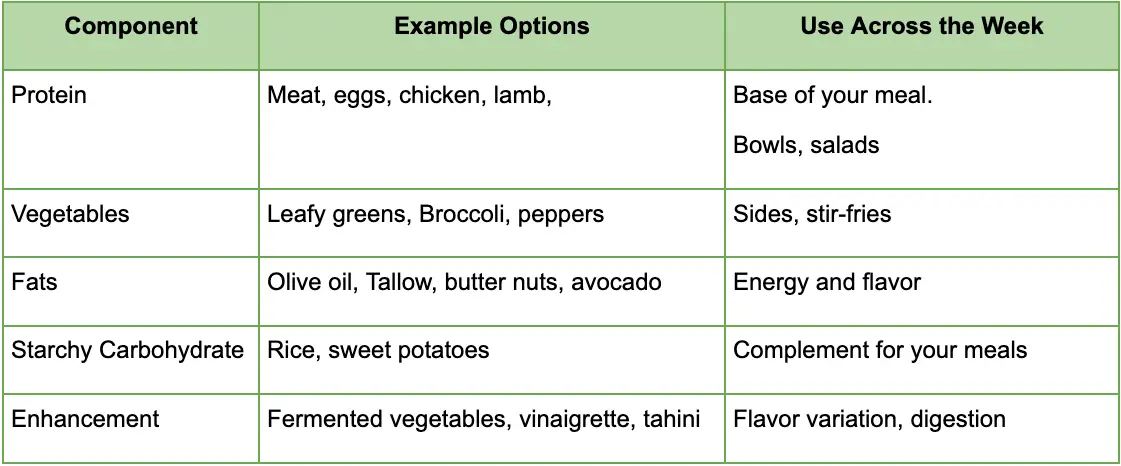
A Sample Weekly Prep Framework
A simple framework helps translate planning into action without locking you into specific recipes. The structure below shows how variety and balance can coexist.
When You Want More Precision and Support
For people who want their meal prep to align closely with health goals, personalized guidance can make a difference. Leandro Pucci Nutrition offers individualized, clinically informed nutrition support designed for busy professionals. The focus is on science-backed strategies that fit real schedules rather than idealized routines. This kind of guidance can help refine portion sizes, food choices, and timing. It’s especially useful if you’re optimizing metabolic health while maintaining efficiency. Over time, personalized plans can turn weekly prep into a long-term habit that actually sticks.
Meal Prep Questions
If you’re close to committing to a routine, these are some questions that often come up.
Is meal prepping worth it if I only cook twice a week?
Yes, even partial prep reduces daily decision-making and saves time. Preparing just lunches or a few dinners can still create noticeable relief during busy weeks. Consistency matters more than volume.
How do I avoid getting bored with prepped meals?
Boredom usually comes from fully assembled meals that never change. Storing components separately lets you vary sauces, sides, and combinations. Small changes in seasoning can make familiar ingredients feel new.
How long do prepped meals stay safe to eat?
Most cooked foods keep well for three to four days when stored properly in the refrigerator. Freezing extra portions extends their life without additional effort. Labeling containers helps avoid guesswork.
Can meal prepping support weight or health goals?
It can, because planning removes impulsive choices from the equation. When balanced meals are ready, it’s easier to stay aligned with your goals. Pairing prep with professional guidance increases accuracy.
What if my schedule changes midweek?
Flexibility is built into good prep systems. Components can be repurposed, frozen, or shifted to another day. The goal is support, not rigidity.
Closing Thoughts
Meal prepping works best when it feels like support rather than obligation. A clear structure, balanced ingredients, and simple systems turn one planning session into a calmer week. Start small, refine what works, and let efficiency serve your energy instead of draining it. Over time, the routine becomes less about food and more about freedom.