

Precision Metabolic Optimization: Harnessing Nutrigenomics and Functional Lab Panels for Personalized Nutrition

The "one-size-fits-all" approach to metabolic health has failed the American population. Despite decades of adherence to generalized dietary guidelines, the prevalence of metabolic syndrome, Type 2 Diabetes (T2D), and Metabolic-Associated Fatty Liver Disease (MAFLD) continues to climb. In a clinical, functional nutrition setting, we must move beyond symptom management toward root-cause resolution by integrating two of the most powerful tools in precision medicine: Nutrigenomics and Comprehensive Functional Lab Panels.


By triangulating genetic predispositions with real-time biochemical data, we move from "guessing" to "knowing," creating highly targeted, phased interventions that optimize glucose regulation, insulin sensitivity, and lipid handling.


The Silent Driver: Understanding Metabolic Dysfunction in the U.S.


Metabolic health is the body’s ability to efficiently process, store, and utilize energy. In the American context, metabolic dysfunction is characterized by a cluster of interconnected drivers:

  • Insulin Resistance (IR): The foundational driver of metabolic syndrome.
  • Atherogenic Dyslipidemia: Elevated triglycerides (TG), low HDL-C, and an increase in small, dense LDL (sdLDL) particles.
  • Systemic Low-Grade Inflammation: Often tracked via high-sensitivity C-Reactive Protein (hs-CRP).

Nutrigenomics: Decoding the Genetic Blueprint


Nutrigenomics is the study of how nutrients interact with our genes to influence expression, and conversely, how our genetic variations (SNPs) dictate our response to specific nutrients.

Key Genetic Variants in Metabolic Health

  • APOE4: Carriers of the APOE 4 allele have a higher risk of cardiovascular disease and may respond poorly to high-saturated fat intakes, requiring a nuanced approach to ketogenic therapies.
  • PPAR: Influences adipocyte differentiation and insulin sensitivity. Specific variants determine response to polyunsaturated fatty acids (PUFAs).
  • TCF7L2: The strongest genetic predictor for T2D. Variants here can dictate whether a patient is more sensitive to carbohydrate-induced insulin spikes.

The Methylation Connection: One-Carbon Metabolism


Methylation acts as a "master switch" for gene expression, particularly in the liver and adipose tissue. When methylation is compromised by genetic variants, the body’s ability to manage homocysteine and regulate lipid metabolism is impaired.


Impact of Methylation Variants

  • MTHFR (C677T & A1298C): Reduced enzyme activity leads to elevated Homocysteine, which induces oxidative stress and interferes with insulin receptor signaling.
  • COMT (Val158Met): The "slow" variant (Met/Met) leads to higher circulating catecholamines. This maintains sympathetic dominance, leading to chronically elevated cortisol and subsequent gluconeogenesis.
  • MTR & MTRR: These enzymes recycle homocysteine back into methionine. Variants like MTRR A66G are associated with increased risk of hypothyroidism, a driver of reduced basal metabolic rate.

Comprehensive Functional Lab Panels: The Real-Time Snapshot


While genetics provides the blueprint, functional labs provide the "current state of the house." We utilize optimal ranges rather than broad population averages to detect preclinical dysfunction.
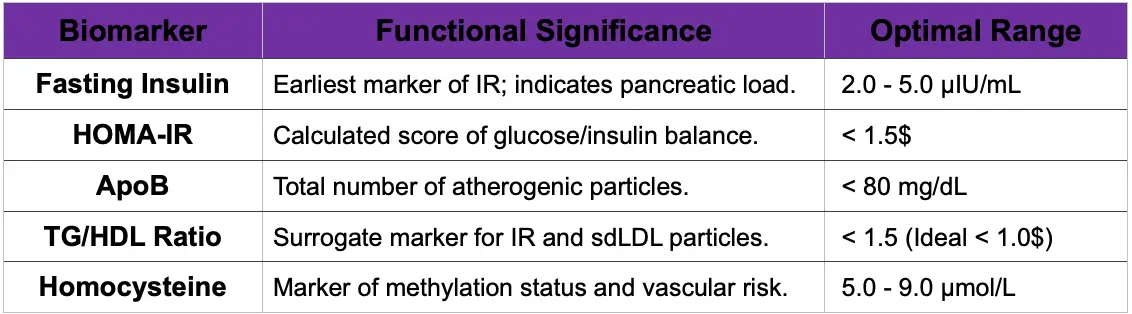
Epigenetic Regulation of Liver Function


Methylation isn't just about folate; it's about DNA Methylation Patterns in the liver. "Aberrant" DNA methylation is a primary driver of fatty liver:

  • Hypomethylation: A lack of methyl donors (choline, betaine) can lead to the hypomethylation of the GPAM promoter, upregulating triglyceride synthesis.
  • Hypermethylation: Conversely, hypermethylation of the PPARGC1A promoter is strongly correlated with high fasting insulin, as it shuts down mitochondrial biogenesis.

The Integrated Intervention: A Systems-Based Approach


By combining these insights, we formulate Personalized Nutrition Interventions:

  1. Targeted Macronutrients: If a patient carries the TCF7L2 risk allele and shows an elevated HOMA-IR, a strict low-carbohydrate intervention is prioritized.
  2. Lipid Management: For an APOE4 carrier with elevated ApoB, we pivot fat sources from saturated (butter) to monounsaturated (extra virgin olive oil).
  3. Methylation Support: We prioritize lifestyle and nervous system load (critical for COMT) and ensure adequate choline from whole-food sources to support the betaine bypass before introducing supplements.

Take Control of Your Metabolic Destiny


Stop guessing with your health and start testing. If you are struggling with stubborn weight, fluctuating energy, or a family history of metabolic disease, it is time to look under the hood.


By mapping your unique genetic blueprint and analyzing your functional biochemistry, we can build a sustainable, evidence-based roadmap tailored specifically to your physiology. Visit leandropucci.com to schedule a consultation and begin your journey toward precision metabolic optimization.


References:

  1. Nunes, et al. (2021). Nutrigenomics in Regulating the Expression of Genes Related to Type 2 Diabetes Mellitus. Frontiers in Physiology.
  2. Corella, D., & Ordovas, J. M. (2020). Nutrigenetics: Personalized Nutrition in Obesity and Cardiovascular Diseases. PMC.
  3. Jafarian, et al. (2018). MTHFR gene at rs A1298C polymorphism in type II diabetes. Electronic Journal of General Medicine.
  4. Frontiers in Medicine (2021). An Update in Epigenetics in Metabolic-Associated Fatty Liver Disease.


You might also like...

Manuka Honey in Functional Nutrition: Therapeutic Mechanisms for Gut Health and Immunity
In the realm of functional nutrition, we often look to food as medicine. However, few foods bridge the gap between culinary ingredient and clinical...
Read More →
How to Reset Your Metabolism with a Protein-First Strategy
Protein isn’t just for gym rats or bodybuilders; it’s a metabolic workhorse that most people don’t leverage enough. If your energ...
Read More →
The Art of Showing Up: Strategies to Stay Consistent with Your Wellness and Self-Care Goals
In a world that asks you to keep moving, staying still long enough to care for yourself often feels like a rebellion. Wellness isn't something you ...
Read More →